
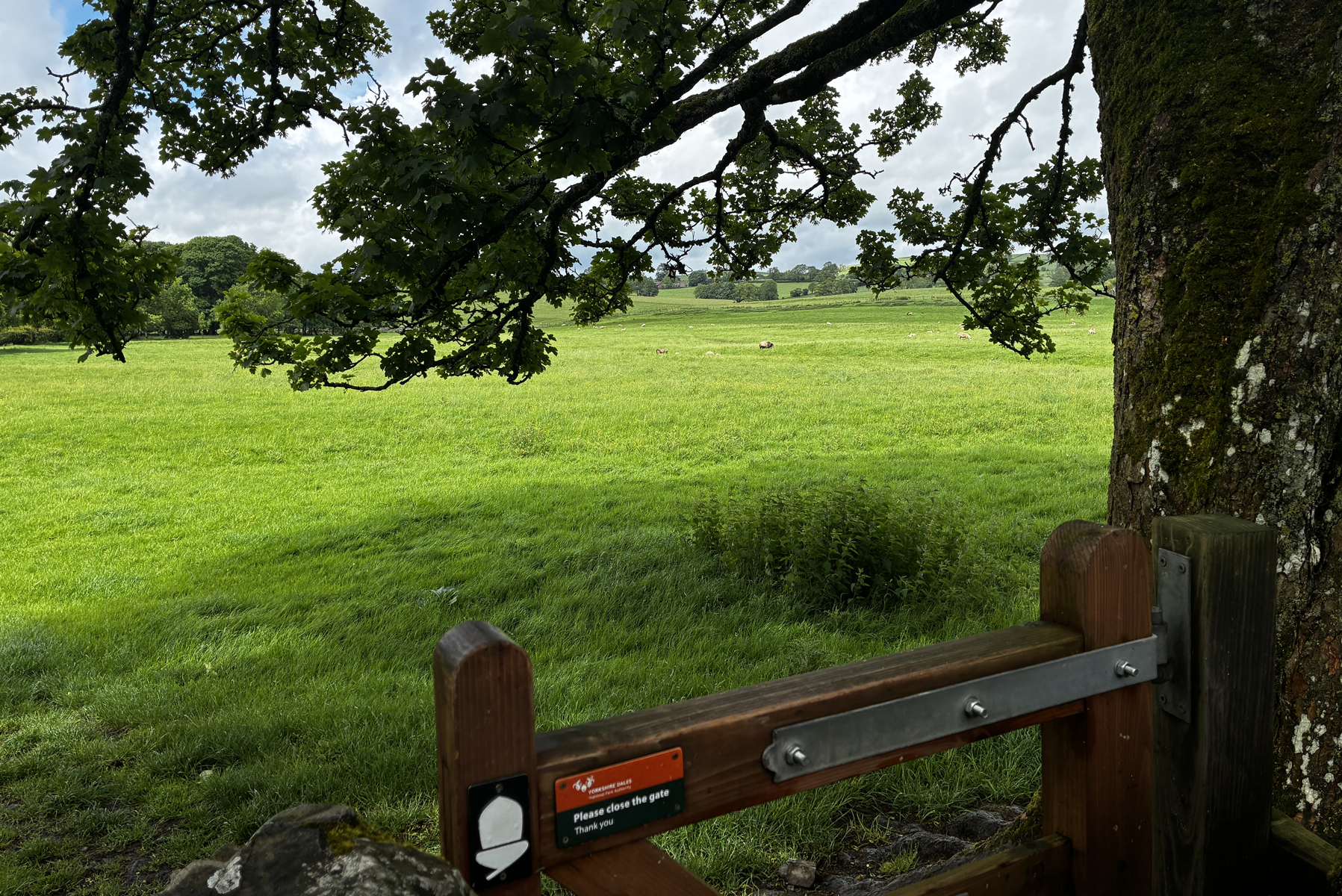
Twenty-five years ago, during the foot-and-mouth outbreak, the army came to our dale in northern England. For two days, the sound of livestock being culled echoed across the valley.
Then silence. No cows, calves, sheep or lambs. This silence wasn’t peaceful; it was the sound of something missing.
In customer success, we are making the same mistake when we hear silence and assume everything is fine.
The question I asked my team
When I led an application science team, one of our regular habits was asking which customers we had not heard from recently. In a busy team, with tickets to close, demos to prepare, and conferences to attend, attention goes to whatever is most demanding. It is easy to overlook a quiet customer.
I used to tell my team that a quiet account is a question, not a reassurance. Some customers are quiet because everything is fine. However, others have already started to disengage, and you don’t know which until you look.
Despite good intentions, outreach often slipped off the radar because the week filled up with whatever was louder. Other times we’d send an email or leave a voicemail, hear nothing, and move on. Sending a message felt productive, but an unanswered message is another quiet sign that teams often ignore.
What happens when the question comes late
It has happened more times than I care to remember. Someone from the sales team mentions an account. The renewal is close, contact has been sparse, and there has been no response to recent calls. Can we reach out with something helpful, something scientific, nothing that feels like sales?
My team cared about those accounts. We thought carefully about who should make contact, what angle would feel genuine, and what we could offer that was useful. Sometimes it worked. A conversation reopened, and the renewal was saved.
More often, by the time we made contact, the decision was already made. Not by the scientists we were reaching out to. It had often been made elsewhere in the organisation, weeks before. Sometimes the decision came down to budget; other times, none of the scientists recognised the software's impact or were prepared to advocate for the license.
A minimum habit
When I advise teams now, I recommend a quarterly check-in with the main contacts. For a strategic account, at least every six to eight weeks. This cadence should be a partnership between the Customer Success scientists and the Account Manager, so the scientific and commercial teams stay aligned.
At each check-in, ask one standing question: what has the software changed for you, and how would you communicate this internally to extend the license? A contact who hesitates is your early warning.
And treat no response as information. An unanswered message is the reason to follow up.
In the Dales, rebuilding the herds took years of patience. Winning back a customer, if it is possible at all, is not something you can do in the final weeks before a renewal.
Where this sits in the Adoption Gap
In the Adoption Gap framework, this is the Usage stage, where the commercial gap opens because nobody is watching the signals. Silence can look like satisfaction but signal disengagement. Regular check-ins are how you tell the difference.