
Thinking on science-led software, adoption, and the commercial challenges that come with both
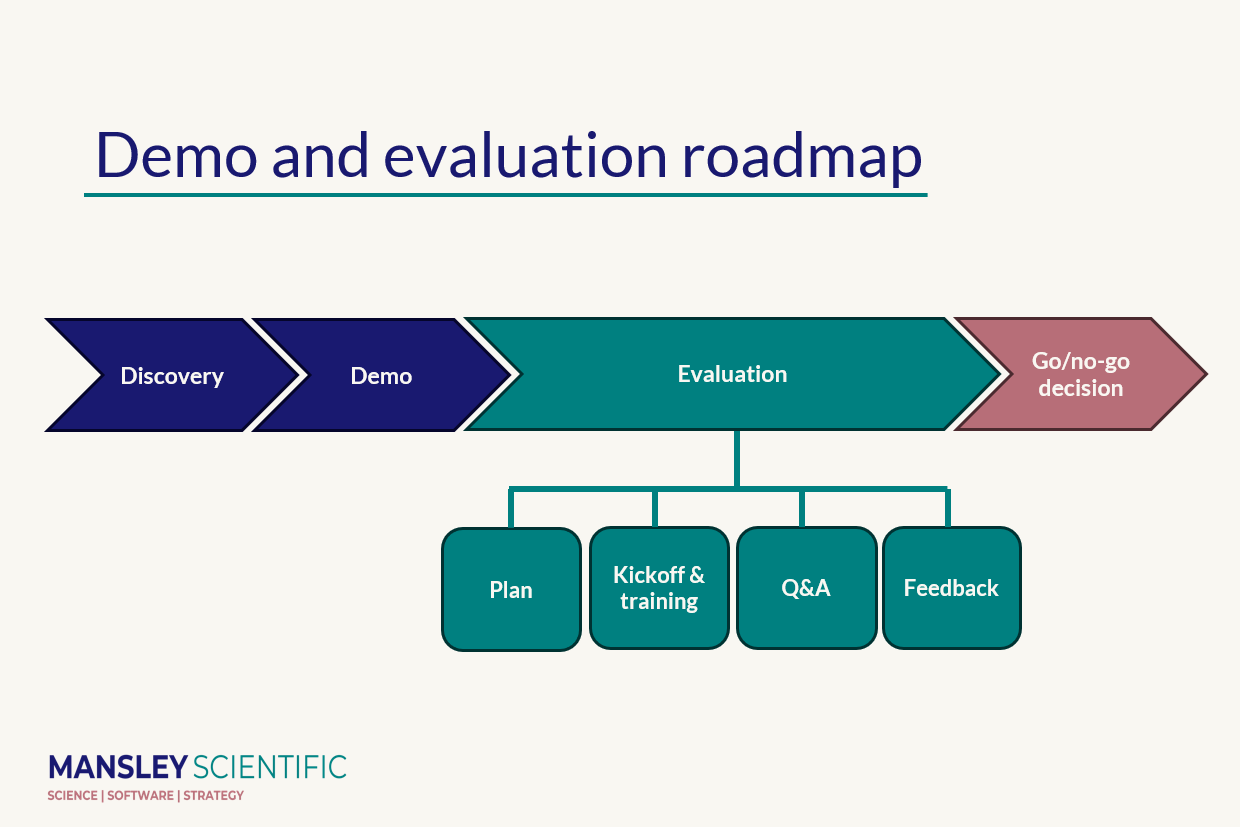
Demo Differently: How Should a Software Demo for Scientists Be Structured?
A software demo should show scientists you understood their problem before you showed them any software. Four changes: open with their issue, do the discovery, show less, and end with a roadmap.
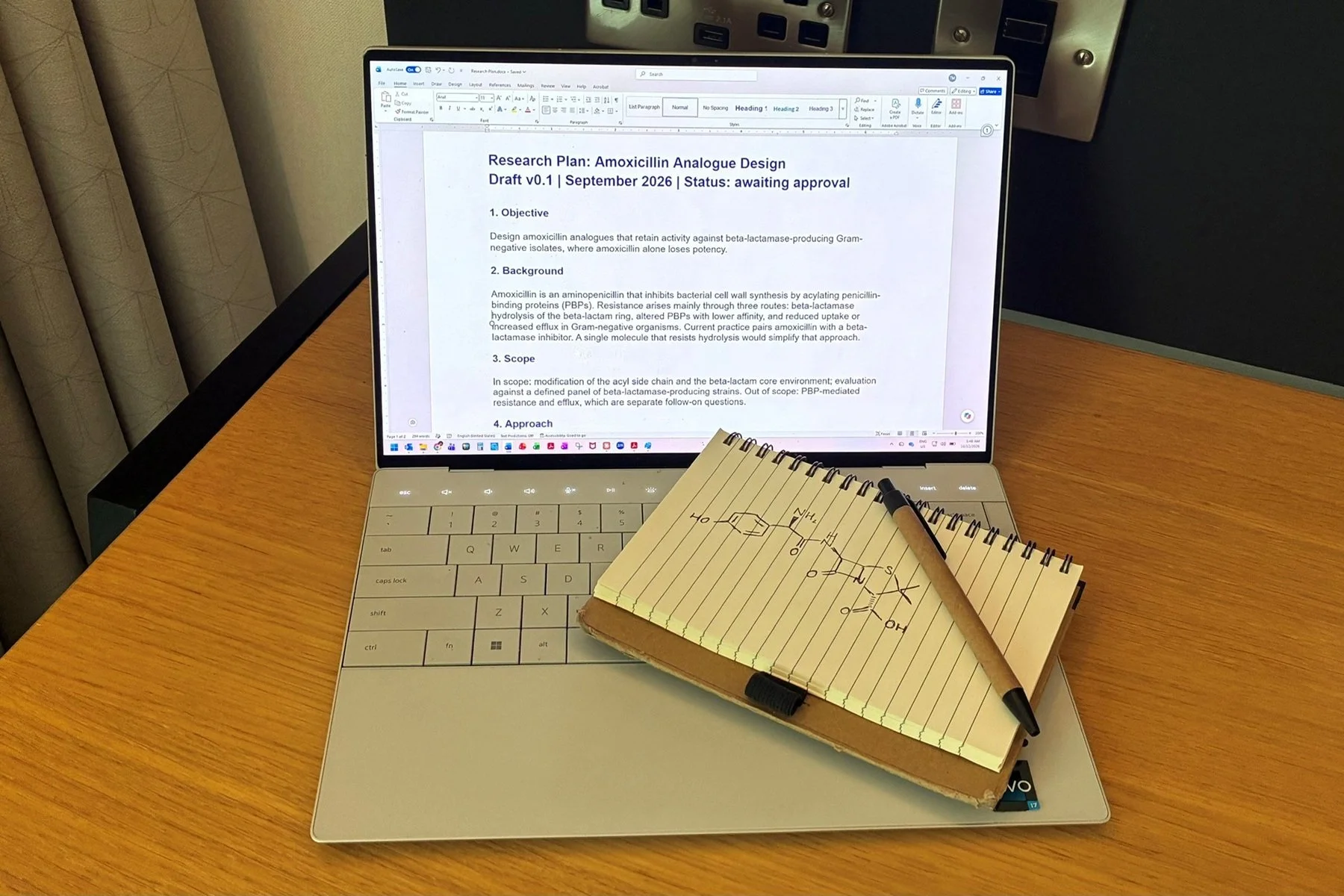
Agentic AI in drug discovery
Agents change who can run a computational workflow and which experiments we run. They do not change the data problem or who is accountable. Takeaways from a panel at TandemAI’s symposium.
Should you hire fractional or full-time?
Fractional versus full-time isn't a question with one right answer. It depends on your stage and what the work actually requires. Here's how to work out which one you need.

Why, not what: The case for value-driven science communication
Scientists are trained to lead with the what: the method, the data, the mechanism. Marketing and sales ask for the why. That shift feels uncomfortable, and it is not about learning new vocabulary. A case for value-driven science communication, built from a marketing summit panel and my own career pivot from bench chemistry into technical sales.

When your champion won't let anyone else in
What do you do when your champion won't let anyone else in the room? Three strategies for turning an accidental gatekeeper back into an advocate.

Crossing the chasm inside the account
A signed contract isn't the finish line. In scientific organisations, it's the starting line of a different race. The scientists who evaluated your software were motivated, curious, and chose to engage. The rest of the organisation didn't. Crossing that gap requires a different approach.

The second conversation
There are always two conversations happening in a scientific software sale. Most vendors are only part of one of them.

Scale the credibility before you scale the business
Scientists don't change established workflows on the strength of a demo or a case study. They need evidence from someone whose scientific judgment they respect. Building that evidence before you scale is the step most vendors skip.

The stepping stones problem
Adoption failure in life science software rarely announces itself. By the time it's visible, the decision is usually already made. There are several places where I see it take hold, but three come up consistently enough that they're worth examining closely.

Why scientific expertise alone won’t build your software business
Science-led software companies are typically founded by scientists. That is their greatest strength and, commercially, their most significant blind spot.
Why Mansley Scientific exists
Most science-led software companies reach a point where the founding team's commercial bandwidth runs out before the commercial infrastructure is built. This post explains what that looks like, and what to do about it.

The Adoption Gap: A framework
There is a pattern in scientific software that almost no one talks about. A vendor wins a new customer, onboarding goes well, and then somewhere between go-live and renewal, something goes wrong; quietly, invisibly, and often too late to fix.